Access Challenges for Kensington High Rise Cleaning and Solutions
Kensington high rise buildings look polished from the street, but getting them cleaned properly is often another story. Tight access, awkward facades, busy roads, shared entrances, resident schedules, and strict safety expectations can turn a routine clean into a careful operation. If you are trying to understand access challenges for Kensington high rise cleaning and solutions, this guide breaks the topic down in plain English and shows how experienced teams plan around the problems without cutting corners.
Whether you manage a block, oversee a commercial tower, or simply need windows, facades, or communal areas cleaned, the access question usually decides how smoothly the job runs. And, to be fair, it is often the bit people underestimate. The good news? Most access issues can be managed with the right planning, the right method, and a cleaning company that knows how to work safely in central London conditions.
In the sections below, you will find practical steps, common mistakes, and realistic solutions for high rise cleaning in Kensington, plus a few things that save time, reduce disruption, and keep everyone safer.
Table of Contents
- Why access matters in Kensington high rise cleaning and solutions
- How access challenges for Kensington high rise cleaning and solutions works
- Key benefits and practical advantages
- Who this is for and when it makes sense
- Step-by-step guidance for better access planning
- Expert tips for better results
- Common mistakes to avoid
- Tools, resources and recommendations
- Law, compliance, standards, and best practice
- Options, methods, or comparison table
- Case study or real-world example
- Practical checklist
- Conclusion
- Frequently Asked Questions
Why access matters in Kensington high rise cleaning and solutions
Access is not just a logistical detail. It shapes the whole cleaning plan. If a team cannot safely reach the area that needs work, the job becomes slower, more expensive, or in some cases impossible on the day. That applies whether the task is exterior window cleaning, facade washing, or internal cleaning in tall residential or mixed-use buildings.
Kensington brings a particular set of challenges. Buildings often sit close together, pavements can be busy, and some properties have limited rear access, narrow service routes, or no easy place to store equipment. You may also be dealing with residents, concierge teams, building managers, tenants, and contractors all at once. One missed detail can cause a delay that ripples through the whole schedule. Nobody wants a cherry picker arriving only to discover the courtyard gate is too narrow. Happens more than people think.
Good access planning matters because it affects:
- the safety of cleaners, residents, and passers-by
- the quality of the clean, especially on glass and external surfaces
- the time needed to complete the work
- how much disruption the building experiences
- the final cost, since poor access usually means extra labour or specialist equipment
In practical terms, the cleaner the access plan, the less room there is for last-minute improvisation. That is a big deal in a high rise environment where conditions can change quickly with wind, weather, or building restrictions.
For building operators and homeowners alike, it is also about trust. A cleaning team that asks the right questions before the job usually performs better on the day. If they also show strong awareness of insurance and safety and follow a documented health and safety policy, you are already in much better territory.
Expert summary: The biggest access problems in Kensington high rise cleaning are rarely about cleaning skill. They are usually about planning, permissions, equipment choice, and building coordination. Fix those early and the rest becomes much easier.
How access challenges for Kensington high rise cleaning and solutions works
High rise cleaning access is a process of matching the building's layout with the safest practical method for reaching the target area. In other words, the job starts long before anyone touches a squeegee or detergent bottle. A proper assessment looks at entry points, height, surface type, weather exposure, surrounding traffic, anchor points, and whether the work can be completed from inside, from the ground, or from a suspended platform.
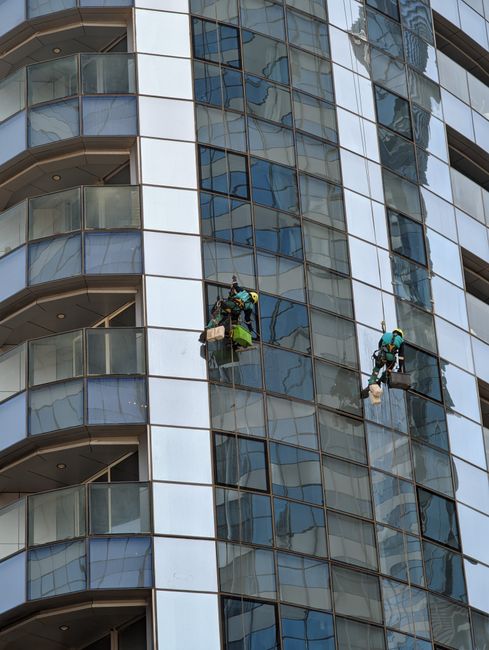
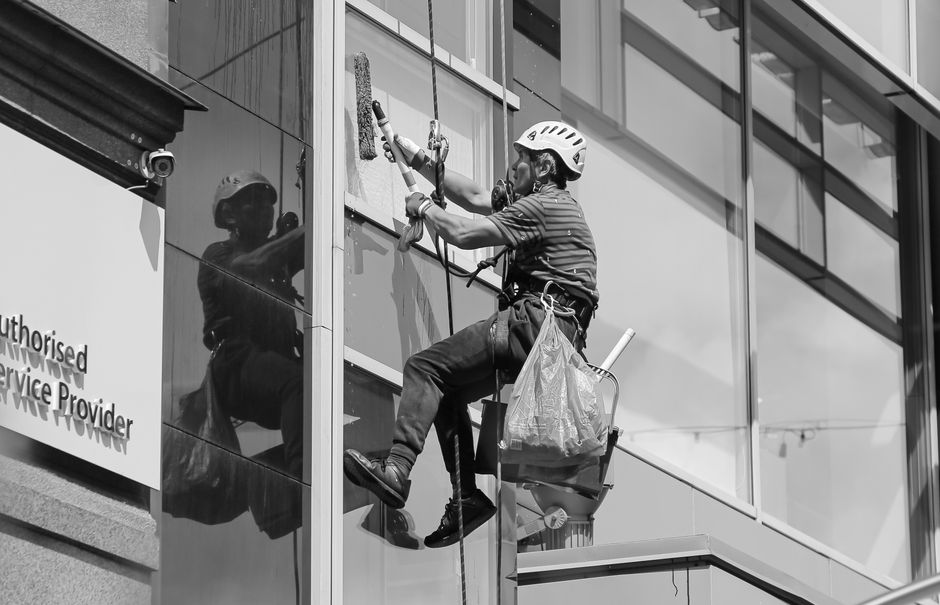
The solution normally depends on the building and the task. A glass panel on the eighth floor needs a different approach from a stained stone facade or a communal landing that only needs deep cleaning. One building might allow roof access. Another might require a mobile elevated work platform. Another may need rope access specialists. Sometimes the best solution is a combination. There is no one-size-fits-all answer, which is why a quick phone quote without a site check can be a bit of a gamble.
A sensible access assessment usually follows this logic:
- Identify the cleaning target. Windows, facade, ledges, balconies, communal interiors, or post-build debris each create different access needs.
- Check the building layout. Look at roof structure, ground space, loading points, service corridors, and whether equipment can be brought in without damage.
- Assess the surrounding environment. Busy roads, narrow pavements, trees, parked cars, and neighbouring buildings can all affect the method.
- Choose the safest method. Internal access, water-fed poles, rope access, scaffold, access platform, or a combination.
- Plan permissions and timing. Work around resident access, deliveries, school runs, peak traffic, and concierge procedures where relevant.
- Carry out a risk check before work begins. Conditions can change. A dry morning can become windy by noon.
The practical point is simple: the cleaning method should fit the building, not the other way round. That sounds obvious, but in real life it is where many problems start.
Key benefits and practical advantages
When access is handled properly, the benefits show up immediately. The job runs more smoothly, the results are better, and people around the building are less bothered by noise, barriers, or repeated visits. On a calm weekday morning in Kensington, that matters. A lot.
- Safer working conditions: Cleaners can work with the right equipment and fewer unnecessary risks.
- Better finish quality: Proper access makes it easier to clean edges, corners, and higher sections thoroughly.
- Less disruption: Residents and office users are not blocked by avoidable delays.
- More predictable costs: Early access planning helps reduce surprises on the invoice.
- Faster scheduling: A clear access route shortens setup and teardown time.
- Cleaner communication: Everyone knows who is opening what, when, and why.
There is also a less visible benefit: confidence. If you are the person responsible for the building, you want to know the cleaning team can get in, work safely, and leave things tidy without needing you to chase them every half hour. That peace of mind is worth something, even if it never appears as a line on the quote.
For recurring maintenance, good access planning also helps protect the building's surfaces. For instance, using the correct method for glass and frames can reduce unnecessary wear compared with rushed, improvised cleaning. The same principle applies to other services like window cleaning and facade cleaning, where surface condition and method choice need to match.
Who this is for and when it makes sense
This topic matters to more people than you might expect. The obvious audience is property managers, but the real list is wider.
- Block managers and housing managers arranging regular external or communal cleaning
- Commercial landlords and facilities teams responsible for mixed-use or office towers
- Residents' associations coordinating shared building maintenance
- Developers and project managers needing post-construction cleaning access
- Tenants and owners where balcony, balcony-glass, or upper-level interior access is involved
- Cleaning contractors who need a reliable access plan before pricing and delivery
It makes sense to think about access challenges whenever the building is tall, enclosed, busy, or difficult to reach from the ground. It also matters if the job is time-sensitive. For example, after refurbishment, when dust, residue, and debris are sitting on surfaces that need prompt attention, access issues can slow everything down. In those cases, a broader service such as after builders cleaning may be part of the solution.
And if the issue is inside the building rather than outside, don't ignore the basics. Tight lifts, narrow stairwells, protected flooring, and resident movement all create access friction too. High rise cleaning is not always about the outside of the tower. Sometimes the trickiest part is simply getting the kit where it needs to go.
Step-by-step guidance for better access planning
Below is a practical way to plan high rise cleaning access without overcomplicating things. You can use it whether you manage a property or you are trying to brief a contractor properly.
1. Start with a site description
Give a clear description of the building, including height, entrances, courtyard access, parking limitations, roof access, and any known restrictions. Photos help. A lot. A short phone call can miss crucial details, especially if the person booking the job is not the same person who knows the building inside out.
2. Define the exact cleaning area
"The building" is too vague. Be specific. Is it upper-floor glazing, stone cladding, balcony fronts, service corridors, or a communal lobby? The more exact the target, the easier it is to choose the right access method.
3. Ask how equipment will enter
This is where many jobs stumble. Does equipment come through the main entrance? A service gate? A loading bay? Can a larger machine be carried in without damaging flooring or walls? If not, a lighter or more modular system may be needed.
4. Match the method to the space
Typical choices include:
- water-fed pole systems for reachable upper windows
- rope access for awkward facades or restricted sites
- mobile platforms for short-term elevated work
- internal access where exterior reach is limited
- mixed-method cleaning for buildings with varied elevations
5. Build in time for permissions and coordination
If the building has concierge procedures, resident notices, or booked delivery windows, include those in the plan. The job may technically only take a few hours, but access set-up can take nearly as long if nobody has coordinated it properly.
6. Confirm the safety controls
Ask what edge protection, barriers, signage, and supervision will be used. Also ask what happens if weather changes. In high rise work, a safe decision to pause is not a failure. It is just good judgment.
7. Review the plan before the day
Reconfirm contact names, access times, parking arrangements, and any building-specific notes. A brief pre-start check can prevent the kind of small error that turns into a full afternoon of waiting around.
Expert tips for better results
There are a few habits that consistently make high rise cleaning easier. None of them are flashy, but they matter.
- Use a proper access briefing. One page is often enough if it is clear and specific.
- Photograph access points in advance. Images of doors, gates, and loading areas remove a lot of guesswork.
- Allow for weather flexibility. Wind matters more than people think in tall buildings.
- Separate resident access from contractor access. It reduces friction at busy times.
- Keep communication one step ahead. The cleaner should never be discovering problems on arrival.
- Choose the least disruptive method that still does the job properly. Not the cheapest. Not the fanciest. The most suitable.
Here is a small real-world observation: the best-run jobs are often the ones where the client has thought through the boring bits. Keys, lifts, parking, notices, contact people. Boring, yes. But that is exactly what keeps the clean moving.
If you need recurring support across a building, it can also help to align access planning with broader maintenance services such as deep cleaning, so the schedule is organised once rather than piecemeal every time. Less back and forth, fewer surprises.
Common mistakes to avoid
Most access problems are preventable. That is the slightly annoying truth of it. The same few mistakes keep showing up.
- Assuming access is obvious. It rarely is in tall or multi-entry buildings.
- Booking before checking the site. A good quote depends on real conditions, not hopeful guesses.
- Ignoring the weather. Fine for a normal house clean. Not fine at height.
- Forgetting residents or tenants. A clean that blocks a doorway or lift without warning creates avoidable conflict.
- Choosing the wrong equipment for the job. Not every building suits the same method.
- Failing to confirm insurance and safety arrangements. You do not want this vague. Not even a little bit.
- Leaving access keys, codes, or contacts until the last minute. That always becomes a headache.
Another common problem is underestimating timing. People imagine a cleaner will arrive, work, and leave in a neat little window. In reality, setup can take a meaningful chunk of time, especially where access is complicated. That is not inefficiency. It is the reality of working safely in a tall, lived-in building.
Tools, resources and recommendations
You do not need a warehouse full of gear to manage access well, but you do need the right basics. A practical checklist, clear photos, and the right building notes go a long way. For the cleaning side itself, the appropriate method depends on the surface and the route in.
Useful resources and service areas to consider include:
- a professional cleaning company that can assess access properly before the job starts
- trained cleaners with experience in taller or restricted buildings
- window cleaning where glazing is the main issue
- facade cleaning for external building surfaces
- clear pricing and quotes when the access route may affect labour and equipment
On the administrative side, it is worth reviewing the provider's terms and conditions, privacy policy, and payment and security information if you are organising the work on behalf of a building or business. Those pages tell you how the company handles the practical side of the relationship.
If the job also involves disposal of debris, packaging, or cleared items from refurbishments, you may need related help such as house clearance or recycling and sustainability support. Not always, of course. But it is worth thinking ahead.
Law, compliance, standards, and best practice
High rise cleaning in London is a safety-led activity. While the exact duties depend on the type of property and the method used, the general expectation is clear: work should be planned, supervised, and carried out with appropriate risk controls. In practice, that means competent staff, suitable equipment, and a sensible approach to working at height.
For Kensington buildings, the most important compliance questions are usually practical rather than theoretical:
- Is the access method safe for the height and surface?
- Has the building-specific risk been assessed?
- Are residents, visitors, and pedestrians protected from avoidable risk?
- Is the contractor properly insured and equipped?
- Are emergency contacts and access routes clearly understood?
Best practice also includes clear communication between the client and the cleaning team. If the building has unusual restrictions, say so early. If there are vulnerable access points, say so early. If there is a lift booking system, say so early. It is not over-sharing; it is what competent planning looks like.
One thing worth checking is whether the provider has a published accessibility statement or related public information that shows they think carefully about inclusive access and user experience. That does not replace a site-specific assessment, but it does signal a more considered approach.
As a final note on compliance, never treat safety documents as box-ticking paperwork. In a high rise environment, they are there because the margins are narrower than people expect.
Options, methods, or comparison table
Different access methods solve different problems. The best choice depends on height, surface, building layout, and how much disruption is acceptable. Here is a simple comparison to make the trade-offs easier to see.
| Method | Best for | Strengths | Limitations |
|---|---|---|---|
| Water-fed pole access | Reachable upper windows and glazing | Quick, less intrusive, good for regular maintenance | Not suitable for every height or surface detail |
| Rope access | Awkward facades and restricted sites | Flexible, can reach difficult sections | Requires specialist planning and trained operatives |
| Mobile elevated platform | Short-term high level work with ground space | Stable working position, useful for targeted jobs | Needs space, permissions, and suitable ground conditions |
| Internal access | Interior high-level windows or shared areas | Lower external disruption, sometimes simpler to manage | May involve resident coordination and protection of finishes |
| Mixed-method approach | Complex buildings with varied access needs | Highly adaptable, often the most realistic option | Can take longer to plan and price |
For many Kensington buildings, a mixed approach ends up being the most sensible. A single tower may have easy ground-floor access on one side, tighter courtyard access on another, and difficult upper glazing above an ornate facade. One method alone often does not tell the whole story. A good contractor will see that straight away.
Case study or real-world example
Imagine a residential block near a busy Kensington street, with upper-floor windows facing both the road and an internal courtyard. The road side is exposed, with limited parking and regular foot traffic. The courtyard side is tighter still, with a narrow entry gate and limited room to store equipment. Residents also use the main entrance heavily between 7:30 and 9:00 in the morning.
On paper, that sounds like a difficult job. In practice, it becomes manageable if the planning is done well.
The access solution might look like this:
- book the work outside peak resident movement times
- use the main entrance only for light equipment and protect the flooring
- schedule a water-fed pole setup for the road-facing windows where possible
- reserve specialist access for the courtyard sections that cannot be reached safely from ground level
- notify residents in advance so doors, windows, and access points are clear on the day
What usually goes wrong in a case like this is not the cleaning itself. It is the last-mile logistics: someone forgets to unlock the gate, a vehicle blocks the setup point, or a notice never reaches the residents. When those things are handled early, the job feels calm rather than chaotic. A bit dull, maybe. But that is exactly what you want.
If the block also has internal high-traffic areas, it may be worth planning a follow-up one-off cleaning or ongoing office cleaning if the building includes commercial space. Different spaces, different pressures. Same principle: access first, clean second.
Practical checklist
Use this before booking or confirming any Kensington high rise clean. It saves time and, more importantly, stops obvious problems before they become expensive ones.
- Have I described the exact areas that need cleaning?
- Do I know how the team will enter the building?
- Are there gate codes, keys, lifts, or concierge procedures to confirm?
- Is parking or loading access available for the scheduled time?
- Have residents, tenants, or staff been notified?
- Have I checked whether weather or wind could affect the method?
- Do I know whether the building needs rope access, platform work, or ground-based cleaning?
- Has the contractor explained their safety approach clearly?
- Are surfaces, flooring, and nearby fixtures protected during setup?
- Have I requested a clear quote that reflects the access conditions?
Quick rule of thumb: if any of those answers are unclear, pause and clarify before the job date. It is much easier to fix details in advance than while a van is waiting outside and everybody is already running late.
Conclusion
Access challenges for Kensington high rise cleaning and solutions are really about one thing: making a complex building behave like a manageable job. That takes planning, good communication, and the right method for the right surface. It also takes a cleaning team that understands where the hidden snags usually are.
When access is handled properly, the whole process becomes safer, cleaner, and far less disruptive. When it is not, even a straightforward task can drift into delays and frustration. Truth be told, the difference is often decided before the first cloth or pole is lifted.
If you are responsible for a tower, block, or mixed-use property in Kensington, start with the access plan. The rest tends to follow.
Get a free quote today and see how much you can save.
Frequently Asked Questions
What are the main access challenges in Kensington high rise cleaning?
The most common issues are restricted entry points, limited ground space, resident traffic, weather exposure, and the difficulty of reaching upper floors safely. Kensington's dense urban layout can add extra constraints.
Why does access planning affect cleaning quotes?
Because access changes the time, equipment, and labour needed for the job. If a team has to use specialist methods or spend longer setting up safely, that usually affects pricing.
Can all high rise buildings be cleaned from the ground?
No. Some windows or surfaces can be reached with long-reach systems, but many buildings need a mixed approach. It depends on height, shape, and what the surface actually is.
What is the safest access method for tall buildings?
There is no single safest method for every building. The safest option is the one that fits the site, the weather conditions, and the training of the operatives. That may be rope access, a platform, or a ground-based system.
How far in advance should access be arranged?
As early as possible. For buildings with residents, concierge systems, or limited parking, access should be confirmed before the cleaning date, not on the morning of the job.
Do residents need to be notified before high rise cleaning?
Usually, yes. If the work could affect entrances, windows, balconies, noise levels, or shared spaces, advance notice helps reduce disruption and avoids complaints.
What happens if the weather turns bad on the day?
The team may need to delay, pause, or change the method if wind or rain makes the original plan unsafe. In high rise work, weather is not just inconvenient; it can be decisive.
Is rope access always better for difficult facades?
Not always. Rope access is highly effective in the right hands, but some buildings are better served by a platform or a different ground-based method. It depends on the site.
Should I ask for proof of insurance and safety procedures?
Yes, absolutely. For high rise work, you want a provider who can explain their insurance and safety approach clearly and without hesitation.
How do I know if a cleaning company understands access issues properly?
They will ask detailed questions about entry, height, equipment movement, resident scheduling, and surface type before quoting. If they only ask for the postcode and a quick description, that is a mild warning sign.
Can access problems delay other building services too?
Definitely. If access is poorly managed, it can affect maintenance, inspections, decorating, and post-build work as well. Shared access planning is often the smart move.
What is the best first step if my building has unusual restrictions?
Gather photos, note the exact restrictions, and explain them clearly when requesting a quote. The more specific you are, the easier it is to find a workable solution.