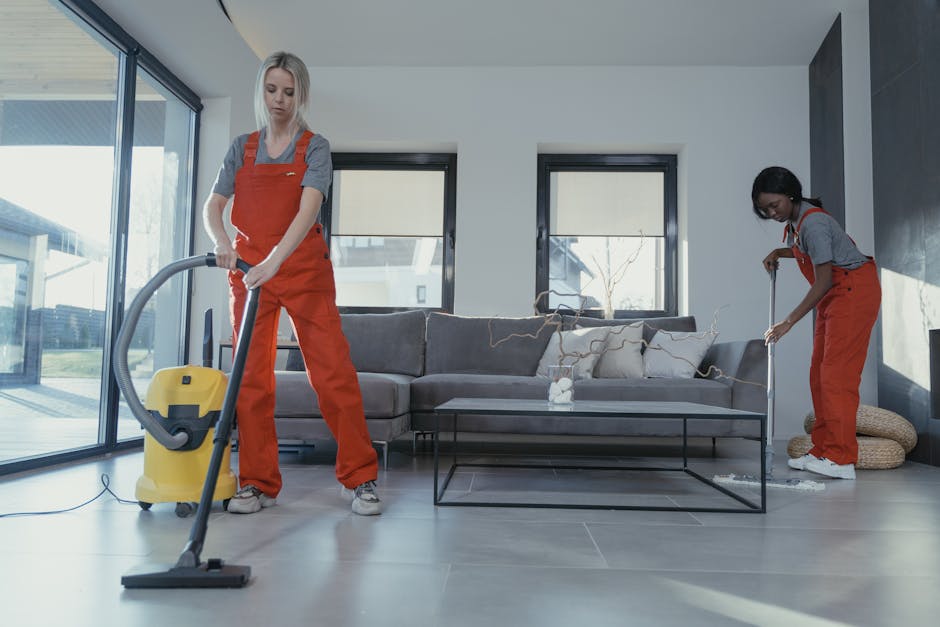
Cheap cleaning options in W8 when moving out

Moving out is already a juggling act. Boxes everywhere, forwarding mail, deposit stress, the last bin bag somehow multiplying overnight. Then comes the cleaning. If you are searching for cheap cleaning options in W8 when moving out, you probably want two things at once: a sensible price and a clean that actually helps you hand the place back without drama. Fair enough.
This guide walks through the realistic low-cost routes, what you can safely cut, where not to cut corners, and how to choose a service or DIY plan that fits a Kensington move without turning the last day into chaos. You will also see how to compare options, avoid hidden extras, and decide whether a basic clean, a deep clean, or a full end-of-tenancy clean is the better value for your situation.
Key takeaway: the cheapest option is not always the lowest total cost. A slightly better-planned clean can protect your deposit, save time, and reduce the odds of a messy re-clean request.
Why Cheap cleaning options in W8 when moving out Matters
W8 is not a place where moving costs feel small for long. Between transport, moving help, storage, and the usual last-minute purchases, cleaning can feel like the one bill you can still influence. That is why cheap cleaning options matter: they give you a way to keep the move affordable without leaving the property in a state that could trigger complaints or deductions.
Let's face it, landlords and letting agents are usually comparing the property to the expected condition at handover, not to how tired you feel after lifting furniture all afternoon. A cheap clean only helps if it covers the practical bits that actually get checked: kitchen grease, bathroom limescale, skirting dust, floors, and those edges people somehow forget until the final walk-through.
In W8, properties can vary a lot. You might be leaving a compact flat off Kensington High Street, a period property with fussy corners, or a modern apartment with shiny surfaces that show every speck. The cleaning challenge changes with the property type, but the aim is the same: present the place in a tidy, presentable, inspection-ready condition without overspending.
How Cheap cleaning options in W8 when moving out Works
Cheap move-out cleaning usually works in one of three ways: you do it yourself, you book a basic local cleaner, or you choose a focused end-of-tenancy service that keeps the scope tight. Each route can be cost-conscious, but they suit different levels of grime, time pressure, and inspection risk.
A straightforward DIY clean is the lowest cash outlay. It can work well if the property is already in decent shape and you only need a final refresh. A basic cleaner is often the middle ground: you supply the access, the cleaner handles the essential surfaces, and you avoid paying for full specialist extras you may not need. An end-of-tenancy clean costs more than a casual tidy, but it often covers the high-risk areas that matter most when moving out.
To keep costs down, the service usually needs clear boundaries. For example, you might ask for a kitchen and bathroom focus, or request a one-off clean that prioritises the rooms most likely to be checked first. In our experience, vague instructions lead to vague results. Clear scope usually means better value. Simple as that.
If you are comparing services, it helps to look at what is included rather than just the headline price. A cheaper quote may exclude oven cleaning, inside cupboards, limescale removal, or window sills. That is where hidden cost creep can sneak in. One quote looks smaller, but then the add-ons stack up. Annoying, isn't it?
Key Benefits and Practical Advantages
The best cheap cleaning option is the one that solves the moving-out problem with the least waste. Here are the main advantages of choosing carefully rather than simply choosing the lowest number on the page.
- Lower move-out pressure: A planned clean removes one major task from an already packed week.
- Better deposit protection: A sensible clean can reduce avoidable deductions linked to dirt, stains, or general neglect.
- More control over cost: You can decide whether to spend on labour, products, or a targeted professional service.
- Less waste: You avoid paying for deep-clean features you do not actually need.
- Faster handover: The cleaner the property, the smoother the final inspection usually goes.
There is also a quieter benefit: peace of mind. Moving out in London can feel noisy and rushed, especially if the removal van is waiting outside and the lift is behaving like it has a grudge. Knowing the clean is under control helps you stay focused on the handover itself.
If the property is a rental, a clean that looks thorough but simple is often enough when the home has been reasonably maintained. You do not always need a premium package. What you need is the right level of clean for the state of the property. That distinction saves money.
Who This Is For and When It Makes Sense
Cheap cleaning options in W8 when moving out make sense for a few different people. If you recognise yourself in any of these, the topic is probably directly relevant.
- Tenants leaving a rented flat who want to reduce end-of-tenancy costs.
- Homeowners selling or handing over a property who want the place presentable without unnecessary spend.
- Students, sharers, and flatmates splitting costs and trying to keep the final bill manageable.
- Busy professionals who have very little time and need a fast, practical solution.
- Anyone with a mostly tidy property that only needs a strong final clean rather than restoration work.
It makes the most sense when the home has been kept in okay condition and the main issue is finishing the job properly, not repairing serious neglect. If the oven is encrusted, the bathroom has heavy limescale, or there are stains in carpets that have been there since last winter, a bargain clean may be a false economy. Sometimes the honest answer is that a deeper service is the cheaper option overall because it avoids repeat visits.
Ask yourself one simple question: does this place need a thorough reset, or just a careful finishing clean? That answer usually tells you where your money should go.
Step-by-Step Guidance
If you want to keep move-out cleaning affordable in W8, use a simple plan. It is not glamorous, but it works.
- Walk through the property room by room. Note what is visibly dirty, what is light dust, and what would need specialist attention.
- Separate essentials from extras. Kitchens and bathrooms usually deserve the most budget. Living areas often need less intense work if they have been maintained.
- Decide what you can do yourself. Small jobs like wiping shelves, removing bins, and clearing surfaces are ideal DIY tasks. Save money where effort is easy.
- Identify the time-sensitive jobs. Oven interiors, limescale, greasy extractor areas, and floors often take longer than expected. Those are the jobs that can eat your evening.
- Request quotes with the same scope. If one provider prices a full clean and another prices only part of the property, the numbers are not comparable.
- Ask what is excluded. This is where a lot of budget surprises hide. If it is not in writing, it may not be included.
- Book early if you can. Last-minute availability can cost more, especially at busy moving times.
- Do a final check before handover. A five-minute review often catches missed areas like behind taps, inside window tracks, and cupboard handles.
A small but useful habit: clean as items leave the room, not after everything is piled in the hall. The room looks better, the dust is easier to spot, and you are not trying to clean around a stack of boxes that smells faintly of old cardboard and tape.
Expert Tips for Better Results
There are a few practical tricks that make cheap move-out cleaning much more effective. None of them are dramatic. That is kind of the point.
1. Target the inspection zones first
Focus on the places people notice quickly: kitchen worktops, sink areas, bathroom taps, toilet base, floors, skirting, and visible marks around light switches. These are often the first things checked, even in a quick viewing.
2. Use one reliable cleaner, not six random products
You do not need a cupboard full of sprays. A decent all-purpose cleaner, a bathroom cleaner, microfibre cloths, and a vacuum will cover most of the job. Too many products just slow you down. Truth be told, half the stress is in looking for the bottle you put down somewhere near the kettle.
3. Work top to bottom
Dust and debris drop. Start higher up, then move down to surfaces, then floors. That simple order saves repeat work.
4. Leave time for drying
If you are cleaning just before handover, make sure sinks, showers, and floors have time to dry. Damp surfaces can look unclean even when they are not.
5. Photograph the result
Before you hand the keys back, take a few clear photos of each room. It is a small step, but it gives you a record of the condition you left behind.
If you hire a cleaner, ask whether they are used to end-of-tenancy standards, not just regular domestic cleaning. That wording matters. A normal weekly clean and a move-out clean are related, but they are not the same thing.
Common Mistakes to Avoid
Cheap cleaning can go wrong in predictable ways. The good news is that most mistakes are easy to avoid once you know what to look for.
- Choosing price over scope: The lowest quote often leaves out the very areas most likely to be inspected.
- Assuming "clean" means "move-out ready": A property can look tidy and still fail a handover check.
- Leaving the oven or bathroom to the end: These usually take longer than expected and become rushed.
- Forgetting inside cupboards and drawers: Emptying a room is not the same as cleaning it properly.
- Not checking access times: If a cleaner cannot get in, the whole plan falls apart.
- Using the wrong products on delicate surfaces: Some finishes scratch easily. A quick test on a hidden area is sensible.
- Ignoring pets, smoke, or cooking odours: Smell is easy to forget until someone else notices it immediately. Funny how that works.
One of the biggest errors is booking a clean without knowing how strict the handover will be. If your tenancy agreement or check-in inventory sets a high standard, a casual clean may not be enough. Be honest with yourself about the condition of the property. That honesty saves money in the end.
Tools, Resources and Recommendations
Affordable move-out cleaning is much easier with the right tools. You do not need specialist equipment for every job, but you do need the basics ready before you start.
| Tool or resource | Best use | Budget-friendly tip |
|---|---|---|
| Microfibre cloths | Dusting, wiping, polishing | Buy a small pack and reuse them properly |
| Vacuum cleaner | Floors, edges, skirting dust, upholstery crumbs | Empty the filter before the main clean for better suction |
| All-purpose cleaner | Most hard surfaces | Choose one that works on multiple surfaces to keep costs down |
| Bathroom cleaner | Limescale, taps, sinks, shower areas | Let it sit briefly before wiping for better results |
| Degreaser | Kitchen hob, extractor, cabinets near cooking areas | Use only where needed; overuse wastes product |
| Sponges and scrub pads | Stubborn marks | Keep a separate pad for kitchen and bathroom work |
For services, look for a provider that is clear about scope, access, and exclusions. A well-written pricing page can help you compare what is included before you commit. You can also review a company's pricing and quotes information if you want to understand how a cleaner structures cost before you book.
If you want extra reassurance about property care and service standards, it can also help to look at a company's pages on insurance and safety and health and safety policy. Those are not flashy details, but they matter when someone is working in your home and around surfaces, equipment, and access points.
Law, Compliance, Standards and Best Practice
For move-out cleaning, the legal side is usually less about obscure rules and more about common-sense best practice. In rental situations, the key issue is usually the condition of the property at the end of the tenancy and whether it is returned in a reasonable state compared with how it was received, allowing for normal wear and tear. If you are unsure about your tenancy obligations, it is sensible to check your agreement carefully rather than guessing.
For cleaners, basic professional standards matter: safe product use, sensible handling of electrical items, care around surfaces, and proper risk awareness when working in occupied or recently vacated properties. Good providers should also be clear about access, payment, and service terms. That is where pages such as terms and conditions, payment and security, and complaints procedure can be useful if you are trying to understand how a company operates.
If waste or disposal comes into play, especially during a move, be careful. Packing waste, broken items, old bedding, and unwanted furniture may need separate handling. A cleaning visit is not the same thing as clearance work. For broader waste or clearance jobs, you may need a service like house clearance rather than a standard clean. That distinction helps avoid confusion and, frankly, awkward surprises on the day.
Best practice is simple: be clear on scope, keep communication in writing where possible, and avoid assuming that a cheap price includes specialist labour, materials, or disposal. If something seems unclear, ask. Nobody loses points for asking a direct question before the job starts.
Options, Methods and Comparison Table
Not every move-out needs the same level of help. Here is a practical comparison of the main cheap cleaning routes in W8.
| Option | Typical cost control | Best for | Watch out for |
|---|---|---|---|
| DIY clean | Lowest direct spend | Small flats, light dirt, flexible schedule | Time pressure, missed details, uneven finish |
| Basic one-off cleaner | Moderate | General cleaning with limited extras | Scope gaps if expectations are not written clearly |
| End-of-tenancy clean | Higher than DIY, often better value than repeated fixes | Rental handovers and stricter inspections | Add-ons can raise the final bill if not agreed in advance |
| Targeted room clean | Low to moderate | Only kitchen, bathroom, or problem rooms need attention | Can leave other areas weak if the property needs a full reset |
Sometimes the cheapest option is a hybrid. You do the easy rooms yourself, then pay for the sticky jobs that take the most time. That can be a smart compromise, especially in W8 where property standards can be quite visible and not all cleaning tasks are equal.
If you need a broader clean beyond the move-out basics, you might also consider services such as deep cleaning, one-off cleaning, or end-of-tenancy cleaning. These pages can help you judge which route fits the property condition and the budget you have in mind.
Case Study or Real-World Example
Picture a two-bedroom flat near Kensington High Street. The tenants are leaving on a Friday afternoon, the van is booked, and the inventory clerk is coming the next morning. The flat is not filthy, but it is definitely lived-in. The oven needs attention, the bathroom has limescale, and there is dust under the radiators that nobody noticed until the furniture moved.
They could book a full premium service, but that would push the move budget higher than they want. Instead, they split the work. They clear and wipe the bedrooms themselves, vacuum thoroughly, empty cupboards, and remove bins. Then they book a cleaner for the kitchen, bathroom, floors, and final finishing touches. The service is kept focused. No unnecessary extras. No vague "maybe we'll see on the day" nonsense.
What made the difference? A clear scope and a realistic view of the property condition. They did not try to save money by pretending the kitchen was fine. They also did not pay for a full top-to-bottom treatment of rooms that only needed a quick reset. That balance is the real sweet spot for many W8 move-outs.
In the end, the handover was calm. Not perfect, because moving out never is, but calm enough. And that matters more than people think.
Practical Checklist
Use this before you hand the keys back.
- All rooms are empty or nearly empty
- Surfaces are wiped down, not just cleared
- Kitchens have clean worktops, sinks, and cabinet fronts
- Bathrooms are descaled and free from obvious residue
- Floors are vacuumed and mopped where needed
- Skirting boards, switches, and handles have been checked
- Inside cupboards and drawers are clean
- Bins are removed and waste is taken out
- Windowsills and visible glass are clean
- Appliances included in the plan have been cleaned properly
- Any agreed add-ons, such as oven cleaning, are completed
- Access, keys, and timing for the final clean are confirmed
- Photos have been taken after cleaning
A quick money-saving reminder: if you only have time for one extra effort, make it the kitchen. That room tends to generate the most scrutiny, and it is often where the most avoidable deductions start.
Conclusion
Cheap cleaning options in W8 when moving out are absolutely possible, but the cheapest route on paper is not always the smartest one. The right choice depends on the condition of the property, the time you have left, and how strict the handover is likely to be. A careful DIY clean can work well for lighter jobs. A focused one-off or end-of-tenancy clean is usually better when the inspection standard is higher.
The real trick is to spend where it matters and keep control everywhere else. Be specific about scope, check what is included, and do not pay for extras you do not need. If you get that balance right, the move-out feels a lot less painful. Still a hassle, yes. But a manageable one.
Get a free quote today and see how much you can save.
Frequently Asked Questions
What is the cheapest way to clean a flat when moving out in W8?
The cheapest route is usually a DIY clean for the easy jobs, combined with a targeted professional clean only where needed. Kitchens and bathrooms are the places most people leave to the pros because they take the most time.
Is a cheap end-of-tenancy clean good enough for a rental check-out?
It can be, if the scope is clear and the property is already in decent condition. The key is whether the service covers the areas your landlord or letting agent is most likely to check. Cheap is fine; vague is not.
How do I compare cleaning quotes without overpaying?
Compare like for like. Check whether the quote includes the oven, inside cupboards, bathrooms, floors, windowsills, and any special surfaces. A lower price can be misleading if it leaves out important tasks.
Should I clean myself or hire someone when moving out?
If you have time and the property is only lightly dirty, self-cleaning can save money. If you are short on time or the property needs a more thorough finish, hiring a cleaner may actually be better value because it reduces stress and re-clean risk.
What rooms matter most during a move-out clean?
The kitchen and bathroom usually matter most. After that, focus on floors, visible dust, skirting boards, and any marks around switches, handles, and edges. These are the details people notice quickly.
Can I book a last-minute move-out clean in W8?
Sometimes, yes, but availability can be tighter and the price may be less favourable. If you can, book a little earlier. Last-minute cleaning is possible, but it tends to be more stressful and sometimes more expensive.
Do I need a deep clean or just a basic clean?
If the property has been kept reasonably clean, a basic or one-off clean may be enough. If there is built-up grease, grime, limescale, or heavy dust, a deep clean is often the better choice. The condition of the property should decide, not the label.
What should be included in a cheap cleaning quote?
At a minimum, ask what rooms are included, whether surfaces, floors, bathrooms, and kitchen areas are covered, and whether extras like ovens or inside cabinets cost more. A proper quote should be specific.
Are there hidden costs I should watch for?
Yes. Common extras include oven cleaning, fridge interiors, heavy limescale removal, and special access arrangements. Ask early, ideally before booking. It saves arguments later, and nobody wants that on moving day.
Can a cleaning service help protect my deposit?
It may help by improving the property condition before the final inspection, but no cleaner can guarantee a deposit outcome. That depends on the tenancy terms, the property condition, and any damage or wear already present.
What if I only need one room cleaned cheaply?
That is fine. A targeted clean can be a smart way to save money, especially if one area is the real problem, like a greasy kitchen or a bathroom with stubborn limescale. Just make sure the scope is agreed clearly.
How can I keep the price down without cutting quality?
Do some of the simple work yourself, book early, be clear about priorities, and avoid paying for add-ons you do not need. The trick is to make the cleaner's time count where it matters most.
Is it worth cleaning the property after I move furniture out?
Yes. Once furniture is removed, dust and marks become much easier to see, and the final result usually looks better. It is a bit more work, but it is the right order if you want a proper handover finish.
What if the property is in better condition than expected?
Then you may not need much help at all. That is the ideal situation, to be fair. If the property is already tidy, a small targeted clean or a final DIY sweep may be enough, which keeps the budget pleasantly low.